What Is Tequila? A Beginner's Guide to Mexico's Famous Agave Spirit
Tequila is a distilled spirit made from the blue Weber agave plant, produced under strict regulation in a defined region of Mexico. Here is what every newcomer should understand.

Long-form writing on the traditions, people, and history behind tequila, mezcal, and agave spirits — the stories that give the spirits their meaning.

Tequila is a distilled spirit made from the blue Weber agave plant, produced under strict regulation in a defined region of Mexico. Here is what every newcomer should understand.
La Vinata's stories look beyond the bottle — to the jimadors who tend the fields, the distillers who carry forward generations of method, and the long history that turned a Mexican agave tradition into a global spirit. New stories are added regularly.

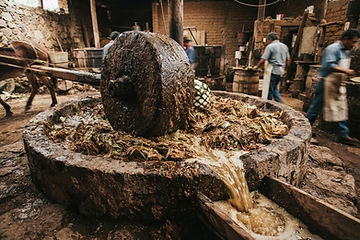
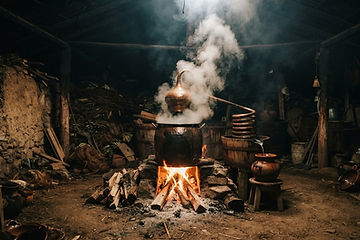
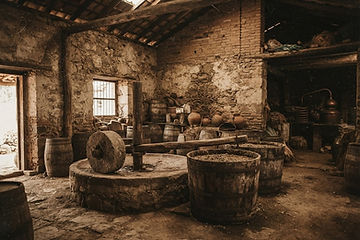
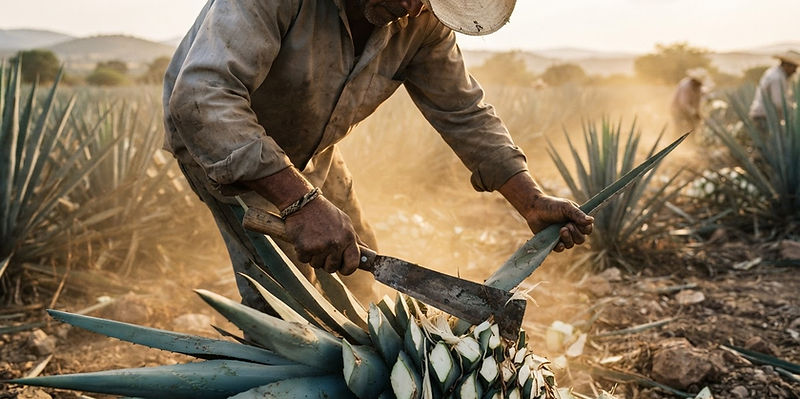
From harvesting mature piñas to cooking, fermenting, distilling, and aging — every step in the tequila-making process shapes what ends up in the glass.

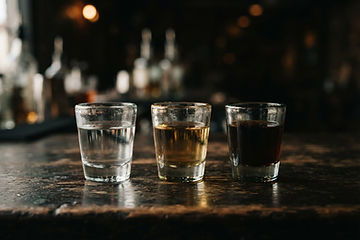
The aging categories on a tequila label tell you a great deal about flavor, color, and character. Here is how blanco, reposado, añejo, and extra añejo differ.

The phrase "100% de agave" is one of the most important details on a tequila label. We explain what it guarantees, what it doesn't, and why it matters.

All tequila is technically mezcal, but not all mezcal is tequila. We untangle the relationship between Mexico's two most famous agave spirits.

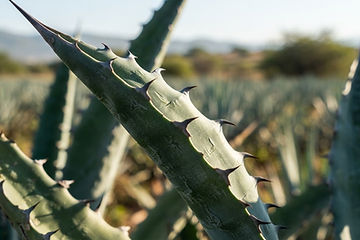
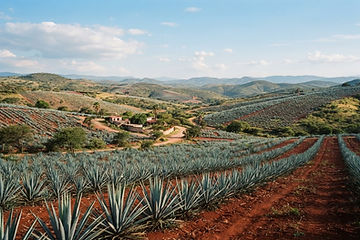
Blue Weber agave is the only agave variety permitted in tequila. We look at how it grows, how long it takes, and why this single plant defines the spirit.

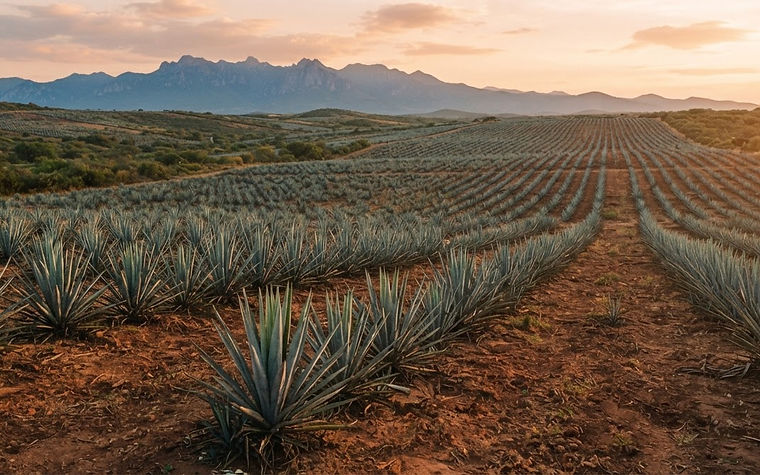
Tequila can only be produced in five Mexican states, with Jalisco at the center. Here is how geography and terroir shape the spirit.

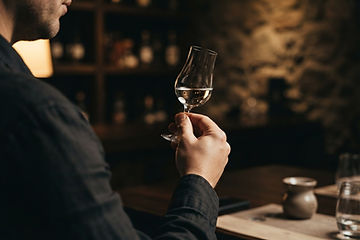
Tasting tequila is about attention, not speed. A simple, repeatable method for looking, smelling, and sipping tequila like you mean it.

Tequila's story runs from pre-Hispanic fermented pulque through Spanish distillation to a globally recognized spirit. A concise history of how we got here.

A bottle of tequila travels a long path from a Mexican distillery to a shelf in the United States. Here is how the imported spirits supply chain actually works.