Tasting tequila is about attention, not speed. A good tequila — whether a bright blanco or a rich añejo — rewards a slow, deliberate approach. Here is a simple, repeatable method for looking, smelling, and sipping tequila like you mean it.
Start With the Right Glass
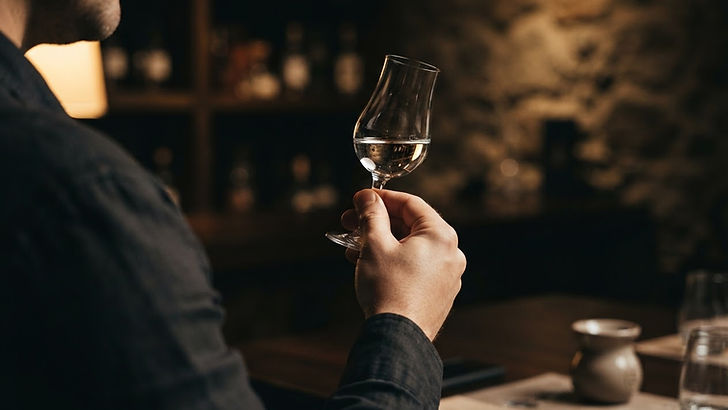
The familiar shot glass is the worst possible vessel for tasting tequila. It is too small to capture aroma and encourages the very thing you want to avoid — swallowing the spirit too fast. Instead, use a glass with room for the aromas to gather: a copita, a Glencairn-style snifter, or even a small wine glass. The shape concentrates the aromas at the rim, where your nose can reach them.
Pour a Small Amount
You do not need much. An ounce or so is plenty. Pour it at room temperature — chilling tequila mutes its aromas and flavors, which is why the salt-and-shot tradition does the spirit no favors. Hold the glass by the stem or base so your hand does not warm the liquid.
Look
Take a moment to look at the tequila against a white background. A blanco should be clear and bright, with a slight viscosity. A reposado will show a pale gold. An añejo will be a deeper amber, and an extra añejo a rich brown. Color tells you about the aging — and a slightly oily texture visible on the side of the glass hints at body.
Smell
Bring the glass to your nose and take a few short, gentle sniffs rather than one deep inhale — tequila's alcohol can overwhelm a deep sniff. Try to identify what you notice: citrus, black pepper, fresh herbs, earth, or, in aged expressions, vanilla, caramel, oak, and spice. Give it a moment; aromas open up as the tequila sits in the glass.
Sip
Take a small sip and let it coat your tongue before swallowing. Notice the texture — is it light or full, smooth or sharp? Then notice the flavors, which often echo and expand on what you smelled. Finally, pay attention to the finish: the flavors that linger after you swallow. A good tequila has a long, evolving finish that a quick shot would entirely miss.
Add a Little Water
With higher-proof tequilas, a few drops of water can open the spirit up, taming the alcohol and releasing additional aromas — much as with whiskey. It is worth experimenting with, especially with cask-strength or high-proof bottles.
Taste Across the Categories
Tasting is more instructive in comparison. Pour a small amount of a blanco, a reposado, and an añejo from the same producer if possible, and taste them in that order. The progression from bright and agave-forward to rich and oak-driven becomes immediately clear. See our guide to the aging categories.
Take Notes
There is no wrong way to describe what you taste. Jotting down a few notes — even single words — helps you remember what you liked and sharpens your palate over time. The goal is not to match someone else's vocabulary but to pay closer attention to your own experience.
Good tequila is not meant to disappear in a second. It is meant to be noticed.