The La Vinata Guide to Tequila
Tequila is one of the most regulated and misunderstood spirits in the world. This guide covers what tequila is, the plant behind it, where it can legally be made, how it is produced, and how aging shapes every bottle.
What Tequila Is
Tequila is a distilled spirit made from the cooked piñas (hearts) of the blue Weber agave plant. It is a type of mezcal — a broader category of agave spirits — but it is defined by strict rules: the agave variety, the region, and the production methods are all legally controlled. To be called tequila, the spirit must be produced in specific regions of Mexico and made primarily from blue Weber agave.
At its best, tequila is a spirit of remarkable clarity and character. A well-made blanco can be bright, vegetal, and peppery, while an aged añejo can be round, soft, and reminiscent of oak and caramel. The differences between bottles come down to the agave, the land, the maker, and the time spent in wood.
For a full introduction, read our beginner's guide: What Is Tequila?
Blue Weber Agave
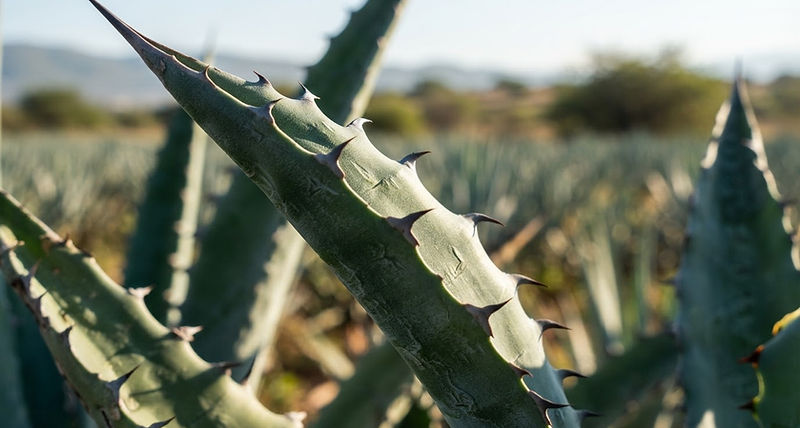
Blue Weber agave (Agave tequilana Weber, blue variety) is the only agave permitted in the production of tequila. The plant takes roughly five to eight years to reach maturity, growing a large spiky rosette of leaves around a starchy core called the piña. When the leaves are stripped away, the piña — which can weigh dozens of kilograms — is harvested, cooked, and crushed to release the sweet juices that will be fermented and distilled.
The long maturation of the agave is one reason good tequila commands respect: the raw material represents years of growth in the field. Learn more in Blue Weber Agave: The Plant Behind Tequila.
Where Tequila Can Legally Be Produced
By Mexican law, tequila can only be produced in a defined denomination of origin. The entire state of Jalisco is included, along with parts of four neighboring states — Guanajuato, Michoacán, Nayarit, and Tamaulipas — that meet specific geographic and climatic conditions. The vast majority of tequila is produced in Jalisco, particularly around the town of Tequila and the Los Altos highlands.
Terroir matters. Tequila made from highland agave tends to be brighter and more floral, while agave from the lowlands often yields a more herbaceous, earthy spirit. Explore the geography in Where Is Tequila Made?
The Basic Production Process
Making tequila follows a sequence that has been refined over centuries: harvesting the agave, cooking the piñas to convert starches to fermentable sugars, crushing them to extract the juice, fermenting that juice, and then distilling it — usually twice — to reach a clear, potent spirit. From there, the tequila is either bottled immediately as blanco or rested and aged in oak.
Each stage leaves its mark. The cooking method (brick oven vs. autoclave), the crushing method (stone tahona vs. roller mill), the fermentation (open wooden vats vs. stainless steel), and the distillation all influence the final flavor. Read the full step-by-step in How Tequila Is Made.
Blanco
Blanco (also called silver or plata) is tequila in its purest form — unaged, or rested for no more than 60 days in inert containers. It is clear, bright, and carries the most direct expression of the agave itself. Expect notes of citrus, pepper, herbs, and earth, with a clean, brisk finish. Blanco is the category most preferred by enthusiasts for sipping and for cocktails where the spirit should lead.
Reposado
Reposado means "rested." By regulation, reposado tequila is aged in oak barrels for between two months and one year. That brief contact with wood softens the spirit and adds gentle notes of vanilla, caramel, and baking spice while still letting the agave show through. Reposado is a versatile middle ground — smooth enough to sip, structured enough to anchor a cocktail.
Añejo
Añejo ("aged") tequila spends between one and three years in oak barrels of no more than 600 liters. The extended aging deepens the color to a warm amber and transforms the flavor, bringing forward oak, toasted nuts, dried fruit, and a round, almost cognac-like richness. Añejo is generally sipped and savored rather than mixed.
Extra Añejo
Added to the official categories in 2006, extra añejo is tequila aged for more than three years in oak. These are the darkest, most oak-forward expressions — deeply complex, with layers of chocolate, tobacco, and spice. Extra añejo is treated like a fine sipping spirit and is often the most expensive category on the shelf.
100% Agave vs Other Classifications
Beyond aging, tequila is divided by its composition. A bottle labeled "100% de agave" must be made entirely from blue Weber agave sugars. Other tequilas — sometimes called mixtos — may include up to 49% sugars from other sources, such as cane. The difference is significant: 100% agave tequila generally offers more character and purity, while mixtos are often lighter and less expensive. The full explanation is in What Does 100% Agave Mean?
How Aging Changes Tequila
Aging is one of the most important variables in tequila. Time in oak does three things: it adds color, it adds flavor from the wood, and it softens the spirit. A blanco is bright and agave-forward; a reposado gains warmth and subtle sweetness; an añejo deepens into something rich and rounded; an extra añejo becomes a complex sipping spirit. There is no single "best" category — each expression suits a different moment and method of drinking.
Compare them side by side in Blanco vs Reposado vs Añejo.
How to Taste Tequila
Tasting tequila is about attention, not speed. Pour a small amount into a proper glass — a copita or a Glencairn-style snifter works far better than a shot glass — and take a moment to look, smell, and sip. Good tequila rewards patience: the aromas open up over time, and a slow sip reveals texture and finish that a quick shot will always miss.
Learn the full method in How to Taste Tequila.
Continue with our Mezcal & Agave guide or browse all guides.