Of all the details on a tequila label, few matter as much as the phrase "100% de agave." It is a guarantee about what the spirit is made from — and it is one of the most reliable indicators of quality and character a bottle can offer. Here is what it means, what it does not mean, and why it matters.
What "100% Agave" Means
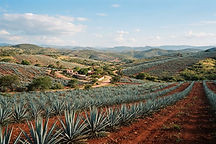
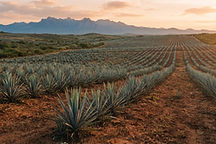
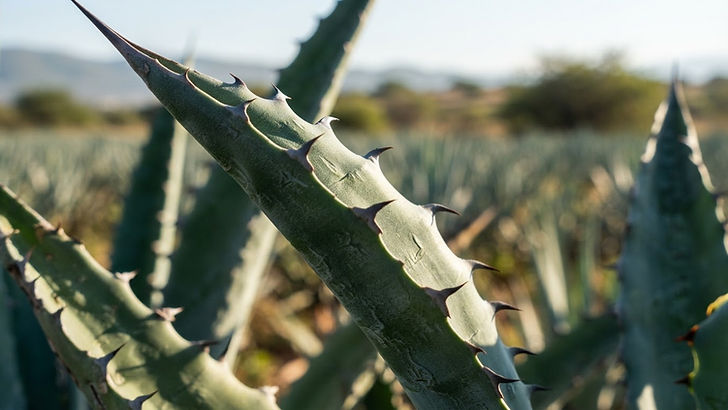
By Mexican regulation, a tequila labeled "100% de agave" must be made entirely from sugars derived from the blue Weber agave plant. Every fermentable sugar in the bottle comes from agave — no other sugar source is permitted. These bottles must also be bottled within Mexico, within the denomination of origin, which adds a further layer of oversight.
What a Mixto Is
Tequila that is not 100% agave is sometimes called a mixto. Under the rules, a mixto must contain at least 51% of its fermentable sugars from agave, but the remaining portion — up to 49% — may come from other sources, most commonly cane sugar. Mixtos are often lighter, less expensive, and more neutral in flavor than 100% agave tequilas.
A mixto label may simply say "tequila" without the "100% de agave" claim. In some markets, mixtos can be shipped in bulk and bottled outside of Mexico.
Why It Matters for Flavor
The difference is not just technical — it shows up in the glass. A 100% agave tequila generally carries more of the agave's own character: the citrus, pepper, herb, and earth notes that define the spirit. Mixtos, diluted with cane sugar, tend to taste thinner and sweeter, with less of the agave's distinctive profile.
For sipping, most enthusiasts strongly prefer 100% agave tequila. For mixed drinks where the tequila is one ingredient among many, the distinction matters less, though a 100% agave tequila will still produce a brighter, more characterful cocktail.
Why It Matters for How You Feel
Many drinkers report that 100% agave tequila leaves them feeling cleaner the next day than mixtos do. While individual reactions vary and no alcohol is truly "hangover-free," the purity of a 100% agave spirit — without added cane sugars — is part of its appeal.
How to Read the Label
- Look for the words "100% de agave" or"100% agave" on the front of the bottle.
- If those words are absent, the bottle is almost certainly a mixto.
- The label will also show the aging category — blanco, reposado, añejo, or extra añejo.
- A nom number (Norma Oficial Mexicana) identifies the specific distillery — useful for readers who want to know who actually made the spirit.
Does 100% Agave Guarantee Quality?
Not on its own. A 100% agave tequila is made only from agave, but it can still be produced with industrial methods — autoclave cooking, extractors, column distillation — that yield a perfectly clean but less characterful spirit. "100% agave" is a strong baseline, not a guarantee of craft. But it is the single most important filter to apply when shopping, and it will immediately narrow your choices to the bottles most worth your attention.
To understand what those bottles contain, pair the 100% agave claim with an understanding of how the tequila was made and how to taste it.