The path from a blue agave plant to a bottle of tequila is long and deliberate. Each stage — harvesting, cooking, crushing, fermenting, distilling, and aging — shapes the final spirit. Understanding the process is the single best way to understand why one tequila tastes different from another.
1. Harvesting the Agave
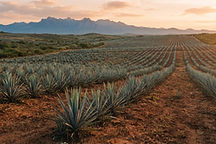
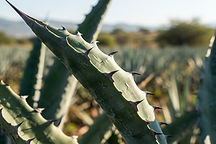
Tequila begins in the field. A worker called a jimadorharvests the mature agave by hand, using a sharp, circular blade on a long handle called a coa. The jimador cuts away the spiky leaves to reveal the piña — the starchy heart of the plant, which can weigh anywhere from 30 to more than 100 kilograms. This is skilled, physically demanding work, and a good jimador can read a field and judge ripeness with remarkable accuracy.
Agave is typically harvested at five to eight years of age, once it has accumulated enough sugars. Harvest too early and the piña lacks sweetness; wait too long and the plant may begin to flower and use up its reserves.
2. Cooking the Piñas
The harvested piñas are cooked to convert their complex carbohydrates into fermentable sugars. Traditionally this is done in brick or stone ovens called hornos, which cook the agave slowly over a day or more. Many larger producers use stainless-steel autoclaves — essentially pressure cookers — which speed the process considerably.
The cooking method influences flavor. Slow oven cooking can develop deeper, more caramelized notes, while autoclaves are efficient and consistent. After cooking, the piñas are often left to rest and cool.
3. Crushing and Extraction
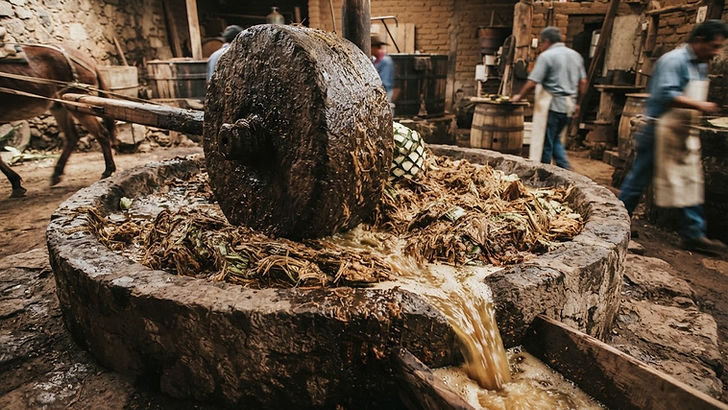
Once cooked, the soft piñas must be crushed to release their sweet juice. The most traditional method is the tahona — a heavy stone wheel, historically pulled by a mule, that rolls in a circular pit over the agave, crushing it into a fibrous pulp. More commonly today, roller mills extract the juice, sometimes combining the tahona's extracted juice with mill juice.
The resulting liquid — the agave juice, sometimes mixed with the fibrous pulp — is called the mosto, and it is ready to ferment.
4. Fermentation
The mosto is transferred to fermentation tanks, where yeast converts the sugars into alcohol. Traditional producers may ferment in open wooden or stainless-steel vats, relying on wild yeasts present in the environment and on the agave itself; others use cultivated yeast strains for consistency.
Fermentation can take anywhere from a few days to a week or more, depending on temperature, yeast, and the producer's approach. This stage generates not only alcohol but many of the aromatic compounds that define tequila's character.
5. Distillation
The fermented liquid is then distilled, usually twice. The first distillation produces a cloudy, lower-alcohol liquid calledordinario; the second raises the proof and refines the spirit into clear tequila. Most distillation is done in copper stills, which help remove unwanted compounds, though some producers use stainless-steel column stills.
After distillation, the tequila is a clear, potent spirit — ready to be bottled as blanco or sent to age.
6. Aging (or Not)
Blanco tequila is bottled essentially as it comes off the still, or rested for up to 60 days in inert containers. To make reposado, añejo, or extra añejo, the spirit is transferred to oak barrels — often former bourbon barrels — where it picks up color, flavor, and softness over time.
The aging categories are strictly defined: reposado from two months to one year, añejo from one to three years, and extra añejo beyond three years. See Blanco vs Reposado vs Añejo for how each category differs.
7. Bottling
Finally, the tequila is filtered, proofed with water to its bottling strength, and bottled. A 100% agave tequila must be bottled in Mexico within the denomination of origin; mixto tequilas may be shipped in bulk and bottled elsewhere. The label tells you a great deal — including whether the bottle is 100% agave and how long it was aged.
Every bottle of tequila is the product of years of growth and a careful sequence of decisions — the agave is just the beginning.