Tequila is a distilled spirit made from the blue Weber agave plant, produced under strict regulation in a defined region of Mexico. It is one of the most recognizable spirits in the world — and also one of the most misunderstood. This guide covers what tequila actually is, what it is made from, where it comes from, and how to begin appreciating it.
What Tequila Is Made From
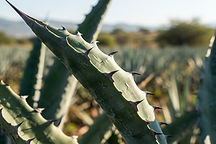
By law, tequila must be made primarily from blue Weber agave (Agave tequilana Weber, blue variety). The agave is a large succulent — not a cactus, despite the common misconception — that grows a rosette of thick, spiky leaves around a starchy central core called the piña, so named because it resembles a pineapple once the leaves are removed. It is this piña that is harvested, cooked, and crushed to produce the fermentable juice that becomes tequila.
A single agave plant takes roughly five to eight years to reach maturity, and some growers leave them even longer. That long maturation is part of what gives good tequila its character — and part of why the spirit deserves more attention than a quick shot suggests.
Where Tequila Comes From
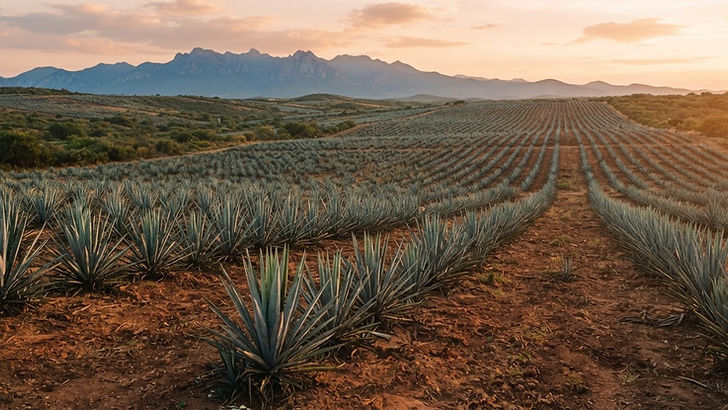
Tequila is protected by a denomination of origin, which means it can only legally be produced in specific regions of Mexico. The entire state of Jalisco is included, along with designated municipalities in four neighboring states: Guanajuato, Michoacán, Nayarit, and Tamaulipas. The vast majority of tequila is produced in Jalisco, around the town of Tequila itself and in the highlands of Los Altos.
Geography shapes the spirit. Highland agave, grown at elevation in red volcanic soil, tends to produce brighter, more floral tequila. Lowland agave often yields a more herbaceous, earthy spirit. For more, see our guide to Mexico's tequila regions.
How Tequila Is Made
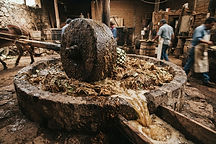
The basic process is straightforward in outline and intricate in practice. Mature agave is harvested and the piñas are cooked to convert their starches into fermentable sugars. The cooked piñas are then crushed to extract the juice, which is fermented and distilled — usually twice. The resulting clear spirit is either bottled immediately as blanco or rested and aged in oak to become reposado, añejo, or extra añejo.
Every step leaves a mark: the cooking method, the crushing method, the fermentation, and the distillation all influence the final flavor. The full process is covered in How Tequila Is Made.
The Main Categories of Tequila
Tequila is classified by how long it spends in oak:
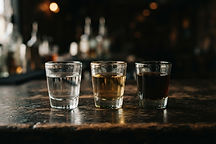
- Blanco (silver/plata): unaged, or rested briefly in inert containers. Bright, agave-forward, and the purest expression of the spirit.
- Reposado (rested): aged between two months and one year in oak. Softer, with gentle vanilla and spice from the wood.
- Añejo (aged): aged one to three years in oak. Deeper in color and flavor, with notes of toasted nuts, dried fruit, and oak.
- Extra Añejo: aged more than three years. The darkest, most complex category, treated as a sipping spirit.
Compare them in detail in Blanco vs Reposado vs Añejo.
100% Agave vs Mixto
Tequila is also divided by composition. A bottle labeled "100% de agave" is made entirely from blue Weber agave sugars. Other tequilas, sometimes called mixtos, may include up to 49% of their fermentable sugars from other sources, such as cane sugar. The distinction matters for flavor and for how the spirit drinks — read more in What Does 100% Agave Mean?.
How to Drink Tequila
Good tequila is meant to be sipped, not slammed. Pour a small amount into a proper glass — a copita or a snifter works far better than a shot glass — and take a moment to smell and taste it. A slow sip reveals texture, aromatics, and a finish that a quick shot will always miss. Learn the method in How to Taste Tequila.
Tequila and Mezcal
Tequila is, technically, a type of mezcal — a broader category of agave spirits. But tequila is defined by its single agave variety and its region, while mezcal encompasses many agave species and a wider geography, often with a distinctive smoky character. See Tequila vs Mezcal for the full comparison.
Tequila is a spirit that rewards patience — in the field, in the distillery, and in the glass.