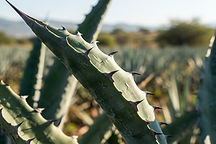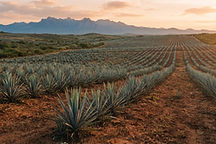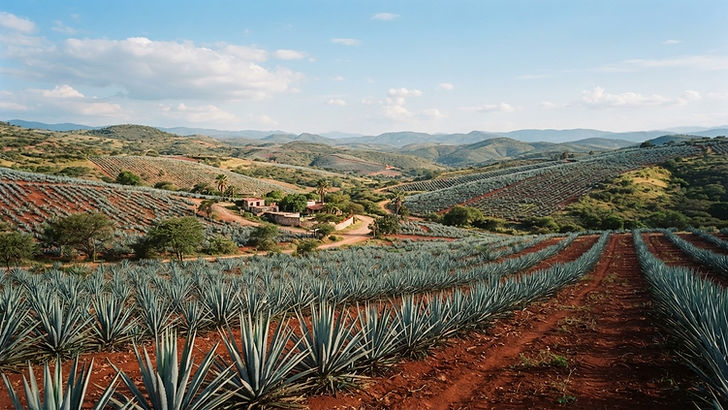
Tequila is a spirit of place. By Mexican law, it can only be produced in a defined denomination of origin — a specific set of regions whose climate, soil, and tradition are considered essential to what tequila is. Understanding where tequila comes from is key to understanding why one bottle tastes different from another.
The Denomination of Origin
Tequila is protected by a denomination of origin, which means that only spirits produced in the authorized regions, from at least 51% blue Weber agave, and following the regulated process may legally be called tequila. The denomination covers the entire state of Jalisco plus designated municipalities in four neighboring states.
Jalisco: The Heart of Tequila
Jalisco is the center of tequila production, and the vast majority of the world's tequila is made here. Within Jalisco, two broad areas matter most: the lowlands around the town of Tequila itself, and the highlands of Los Altos to the east.
The Lowlands (Valles)
The lowlands, centered on the town of Tequila and the surrounding valley, sit at a lower elevation with warmer temperatures and volcanic soil. Tequila from lowland agave tends to be more herbaceous and earthy, with vegetal, mineral notes and a robust structure.
The Highlands (Los Altos)
The highlands of Los Altos rise to greater elevation, with cooler nights, more rainfall, and distinctive red, iron-rich volcanic soil. Agave grown here tends to be larger and sweeter, and the resulting tequila is often brighter, more floral, and fruitier — a contrast that is easy to taste when comparing highland and lowland blancos side by side.
The Other Four States
Beyond Jalisco, the denomination of origin includes specific municipalities in four neighboring states where conditions are suitable for growing blue Weber agave:
- Guanajuato — municipalities adjacent to Jalisco's highlands, producing agave with a similar highland character.
- Michoacán — a smaller producing area with its own microclimates.
- Nayarit — coastal and near-coastal municipalities in the authorized zone.
- Tamaulipas — the only authorized state not contiguous with Jalisco, with a small, specific producing area.
Together, these regions define the legal geography of tequila. The spirit's raw material and its production do the rest.
Terroir and the Spirit
The idea of terroir — that the land shapes the flavor — applies to tequila just as it does to wine. Soil, altitude, rainfall, and temperature all influence how the agave grows and the sugars it accumulates, and those differences show up in the glass. This is why two tequilas made with the same method can taste quite different simply because their agave came from different fields.
Reading the Label
Many tequila labels indicate the region or the specific distillery through a NOM number (Norma Oficial Mexicana), which identifies the producer. Combined with the 100% agave claim and the aging category, the region gives you a remarkably complete picture of what is in the bottle before you ever open it.
Tequila is an agricultural spirit. The land it comes from is not a detail — it is half the story.