Every bottle of tequila begins with a single plant: blue Weber agave (Agave tequilana Weber, blue variety). It is the only agave permitted in tequila, and the long life of that plant in the field is the foundation of everything that follows. Understanding the agave is the first step to understanding the spirit.
What Blue Weber Agave Is
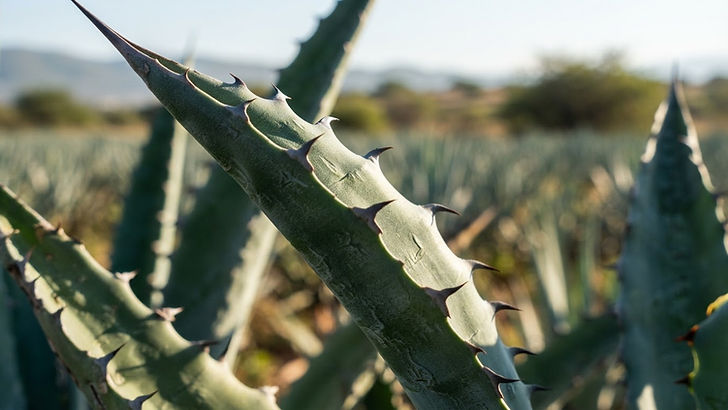
Despite a common misconception, agave is not a cactus. It is a succulent native to Mexico, part of a family that includes hundreds of species. Blue Weber agave grows as a large rosette of thick, blue-green leaves edged with sharp thorns, arranged around a central core. That core — the piña — is the part that matters for tequila. Once the leaves are stripped away, the piña looks remarkably like a giant pineapple, and it is packed with the starchy carbohydrates that cooking will turn into fermentable sugar.
The "blue" in the name refers to the slight bluish tint of the leaves, which distinguishes this variety from other agaves. The "Weber" honors Franz Weber, the botanist who classified the plant in the early twentieth century.
How Long It Takes to Grow
Blue Weber agave is a patient crop. A plant typically takes between five and eight years to reach maturity, and some growers leave them even longer. Over those years, the plant accumulates carbohydrates in its piña, building the sugars that will eventually become tequila. This long maturation is one reason good tequila commands respect — the raw material represents years of growth, weather, and labor in the field.
Once an agave matures, it would naturally send up a tall flower spike and reproduce, using up its stored sugars. The jimador harvests the plant before that happens, capturing the piña at its sweetest. Read about that harvest in How Tequila Is Made.
How It Is Harvested
Harvesting is done by hand by a jimador, who uses a long-handled blade called a coa to sever the spiky leaves and free the piña from the ground. A skilled jimador can harvest hundreds of piñas in a day, judging each one by sight and feel for ripeness. It is hard, skilled work that remains stubbornly resistant to mechanization.
Why Only Blue Weber Agave
The restriction to a single agave variety is part of what defines tequila and protects its identity. Other agave spirits — mezcal especially — are made from many different agave species, which is one reason they vary so widely. Tequila's single-variety rule, combined with its restricted region, gives the spirit a more consistent character while still leaving room for considerable differences between producers.
The contrast with mezcal is instructive: where tequila is one plant, mezcal is dozens. See Tequila vs Mezcal.
Terroir and the Agave
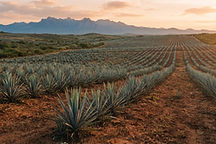
Where the agave grows shapes how it tastes. Highland agave, grown at elevation in the red volcanic soil of Los Altos, tends to be sweeter and more floral, yielding brighter tequila. Lowland agave, from the valleys around the town of Tequila, often produces a more herbaceous, earthy spirit. The same plant, grown in different soils and microclimates, gives different results — a reminder that tequila is, at heart, an agricultural product.
A bottle of tequila contains years of sunlight, soil, and patience — bottled only after the agave has done its slow work.