Tequila and mezcal are the two most famous agave spirits in the world, and they are often confused. The relationship between them is simple to state and rich in detail: all tequila is technically a mezcal, but not all mezcal is tequila. Here is how the two actually differ.
The Relationship
"Mezcal" is a broad category — any spirit distilled from the cooked piñas of agave plants. Tequila is a specific kind of mezcal, defined by a single permitted agave variety and a restricted region, and protected by its own denomination of origin. Think of it the way champagne is a specific kind of sparkling wine: a regulated subset of a larger family.
The Agave
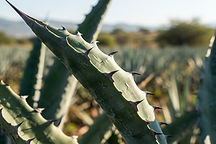
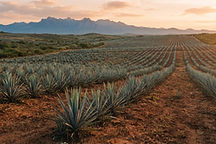
This is the most fundamental difference. Tequila must be made fromblue Weber agave — and only blue Weber agave. Mezcal, by contrast, can be made from dozens of different agave species. Espadín is the most common, but prized mezcals may be made from tobalá, tepeztate, madrecuixe, arroqueño, and many others, each with its own character. A single mezcal may even blend several varieties.
This is why mezcal has such a wide range of flavors — the variety of agave is a primary driver of taste. Learn more in Blue Weber Agave.
The Region
Tequila is restricted to a defined region: all of Jalisco plus parts of Guanajuato, Michoacán, Nayarit, and Tamaulipas. Mezcal has its own, broader denomination of origin, covering several states with Oaxaca at its heart, along with Durango, Guerrero, San Luis Potosí, Zacatecas, and parts of others. The different geographies contribute different soils, climates, and traditions. See Where Is Tequila Made?.
The Production Method
This is where mezcal's signature smoke comes from. Tequila is typically cooked in above-ground brick ovens or stainless-steel autoclaves, which heat the agave without much smoke. Traditional mezcal, by contrast, is roasted in earthen pits lined with hot stones and wood — a method that infuses the cooked agave with smoke before it is ever fermented. That smoke carries through the entire process and into the bottle.
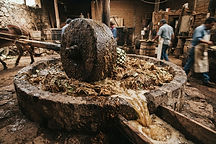
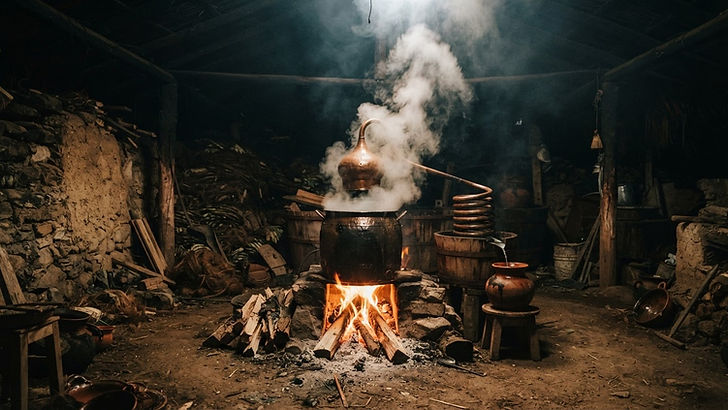
Mezcal is also more often made by hand in small palenques: crushed with a stone tahona, fermented in open vats, and distilled in copper or clay stills. The full tequila process is covered in How Tequila Is Made.
The Flavor
Tequila tends to be brighter and cleaner — citrus, pepper, herbs, and, when aged, oak and caramel. Mezcal is often smokier, earthier, and more variable, with a wider range of herbal, floral, and mineral notes depending on the agave. Neither is inherently "better"; they are different spirits suited to different moments.
The Categories
Tequila is classified by aging — blanco, reposado, añejo, extra añejo. Mezcal has its own classifications, including joven (unaged), reposado, and añejo, as well as designations that indicate the production method, such asancestral and artesanal, which signal a more traditional, hands-on process.
Other Agave Spirits
Beyond tequila and mezcal, Mexico produces bacanora, sotol (made from a related plant), raicilla, and other regional agave spirits — a reminder of how large this family really is. See our Mezcal & Agave guide for more.
Tequila is a single, regulated voice. Mezcal is a chorus.