The aging category on a tequila label is one of the most useful pieces of information a bottle can give you. It tells you how long the spirit spent in oak, which in turn tells you a great deal about its color, flavor, and character. Here is how the four official categories — blanco, reposado, añejo, and extra añejo — differ, and how to choose between them.
Blanco (Silver / Plata)
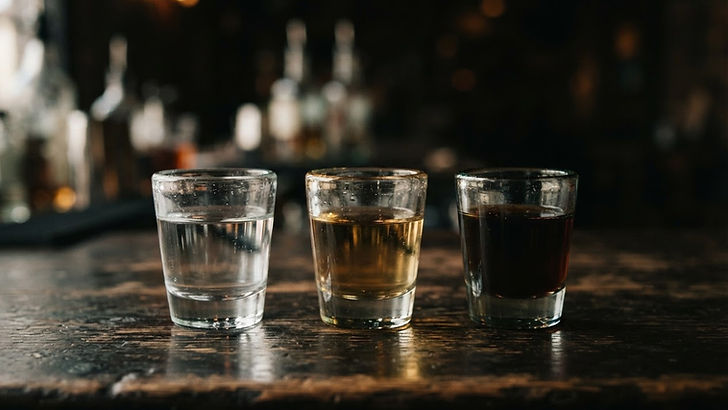
Blanco tequila is unaged, or rested for no more than 60 days in inert containers such as stainless steel or glass. It is clear, bright, and carries the most direct expression of the agave itself. Expect notes of citrus, black pepper, fresh herbs, and earth, with a clean, brisk finish.
Because nothing is hidden by oak, blanco is the category that most reveals the skill of the producer and the quality of the agave. It is the preferred expression of many enthusiasts for sipping, and the best choice for cocktails where the tequila should lead.
Reposado (Rested)
Reposado means "rested." By regulation, reposado tequila is aged in oak barrels for between two months and one year. That brief contact with wood softens the spirit and tints it a pale gold, while adding gentle notes of vanilla, caramel, and baking spice. The agave is still present, but it is now wrapped in a layer of warmth from the oak.
Reposado is a versatile middle ground — smooth enough to sip on its own, structured enough to anchor a cocktail. It is often the most approachable category for drinkers new to tequila.
Añejo (Aged)
Añejo ("aged") tequila spends between one and three years in oak barrels no larger than 600 liters. The extended aging deepens the color to a warm amber and transforms the flavor, bringing forward oak, toasted nuts, dried fruit, and a round, almost cognac-like richness. The bright agave notes of a blanco recede, replaced by deeper, more contemplative flavors.
Añejo is generally sipped and savored rather than mixed. It is the category most often compared to whiskey or brandy.
Extra Añejo
Added to the official categories in 2006, extra añejo is tequila aged for more than three years in oak. These are the darkest, most oak-forward expressions — deeply complex, with layers of chocolate, tobacco, leather, and spice. Extra añejo is treated like a fine sipping spirit and is typically the most expensive category on the shelf.
How Aging Changes Tequila
Time in oak does three things: it adds color, it adds flavor from the wood, and it softens the spirit. A blanco is bright and agave-forward; a reposado gains warmth and subtle sweetness; an añejo deepens into something rich and rounded; an extra añejo becomes a complex sipping spirit. There is no single "best" category — each expression suits a different moment and method of drinking.
How to Choose
- For sipping to appreciate the agave: start with a good blanco.
- For a smooth, easy sipper: reach for a reposado.
- For a rich, contemplative pour: choose an añejo or extra añejo.
- For cocktails: blanco for bright, agave-forward drinks; reposado for depth. See our cocktail guide.
Whatever you choose, pour it into a proper glass and take your time. Our tasting guide explains how.