A bottle of tequila travels a long way from a distillery in Mexico to a shelf in the United States. The path involves producers, importers, customs, regulators, warehouses, distributors, transport, and finally retailers and restaurants. Understanding this supply chain explains why a bottle costs what it does, why certain spirits appear in certain markets, and how an imported spirit actually reaches the people who drink it.
Overseas Producers
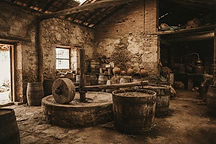
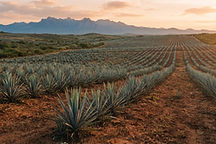
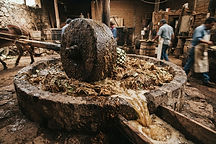
The chain begins at the source: the overseas producer — a distillery that makes the spirit. For tequila, that means a producer within Mexico's denomination of origin, operating under Mexican regulation. The producer is responsible for making the spirit to specification, bottling it (in the case of 100% agave tequila, within Mexico), and preparing it for export. The quality, consistency, and documentation established at this stage shape everything that follows.
Importers
An importer is the company that brings the foreign-made spirit into the United States. Importers hold the federal permits required to bring alcohol into the country, and they act as the bridge between the overseas producer and the US market. The importer handles much of the paperwork, manages the relationship with the producer, often manages marketing and brand building in the US, and is responsible for ensuring that the products they bring in comply with US law.
Customs Clearance
When the spirits arrive at a US port, they must clear customs. This involves declaring the shipment, paying any applicable duties and taxes, and presenting the proper documentation — including certificates of origin, which for tequila confirm that the spirit was produced within Mexico's denomination of origin. Customs authorities inspect shipments to verify that what is declared matches what is in the containers, and that the goods may legally enter the country.
Alcohol Regulations
Alcohol is one of the most heavily regulated consumer products in the United States. The foundation is the three-tier system, established after Prohibition, which generally requires that alcohol pass through three separate, independent layers: a supplier (the producer or importer), a distributor, and a retailer. The federal government, through the Alcohol and Tobacco Tax and Trade Bureau (TTB), regulates labeling, permits, and taxation, while each state adds its own rules governing how alcohol may be sold, shipped, and served within its borders. These regulations shape the entire supply chain.
Warehousing
Once cleared, the spirits are typically moved to warehouses for storage. Proper warehousing matters: spirits must be kept under conditions that protect them from temperature extremes, damage, and loss. Inventory is tracked carefully, both for regulatory reasons and so that the right products can be routed to the right markets. For imported spirits, this storage stage often sits between the importer and the distributor.
Distributors
Distributors are the middle tier of the three-tier system. They purchase spirits from importers or producers and sell them on to retailers and restaurants. Distributors handle the logistics of getting products to market within a state or region, maintain relationships with retail accounts, and often provide the sales force that puts a brand on shelves and menus. Because alcohol distribution is regulated at the state level, the distributor landscape varies considerably from state to state.
Transportation
Throughout the chain, transportation moves the product from one stage to the next — from the distillery to the port, from the port to the warehouse, from the warehouse to the distributor, and finally from the distributor to retail accounts. Each leg requires careful handling and temperature control, accurate tracking, and compliance with the rules governing the shipment of alcohol, which differ from ordinary freight.
Retailers and Restaurants
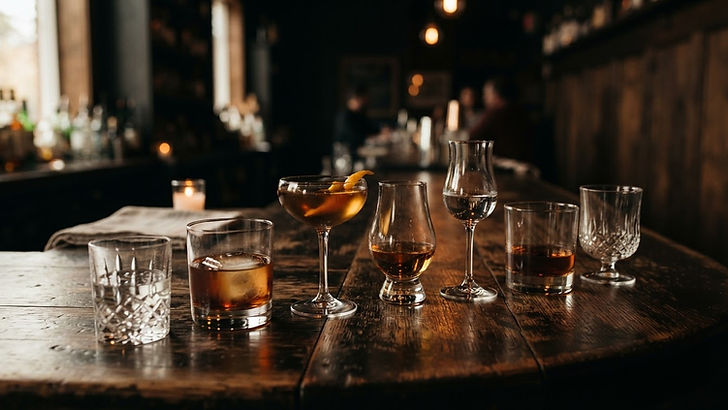
The final tier is where the consumer meets the spirit. Retailers — liquor stores, wine shops, and other licensed sellers — and restaurants, bars, and other on-premise accounts purchase from distributors and sell to the public. This is the point at which a bottle of tequila, having crossed borders and passed through many hands, finally reaches the glass it was made for.
Why the Chain Matters
Each link in this chain adds cost, oversight, and value. The price of an imported spirit reflects not just the making of it but the entire regulated journey from producer to consumer. Understanding that journey is part of understanding the spirit itself — where it came from, how it got here, and why it tastes the way it does.
To see where that journey begins, read about how tequila is made and where it is produced.
A bottle on a shelf is the end of a long, regulated journey — and the beginning of the drinker's.