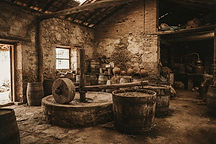
From centuries-old haciendas to modern production facilities, the buildings behind Mexico's most famous spirit tell a story of tradition, craftsmanship, and architectural preservation.
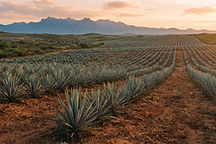
When people think about tequila, they often picture endless fields of blue agave stretching across the hills of Jalisco, Mexico. They might imagine the distinctive flavor of a carefully aged añejo or the craftsmanship involved in producing a traditional blanco.
But behind every bottle of tequila is another important part of the story: the buildings where the spirit is made.
Historic tequila distilleries are more than production facilities. They represent generations of agricultural knowledge, traditional manufacturing methods, and architectural history. Many have witnessed the evolution of tequila from a regional Mexican spirit into an internationally recognized product.
As tequila production continues to modernize, preserving these buildings presents an interesting challenge. How can producers maintain the character of historic distilleries while adapting to modern safety standards, equipment, and production requirements?
The answer involves a careful balance between cultural preservation and responsible renovation.
The Architectural History of Tequila Distilleries
The story of tequila production is closely connected to the development of agricultural estates and industrial facilities throughout Jalisco.
For centuries, communities in the region have cultivated agave and developed methods for transforming the plant into alcoholic beverages.
As production expanded, larger distilleries emerged to accommodate growing demand. Many were built around haciendas, agricultural estates that incorporated production buildings, storage facilities, courtyards, and living quarters.
Traditional distillery architecture often reflected the materials and construction techniques available in the region.
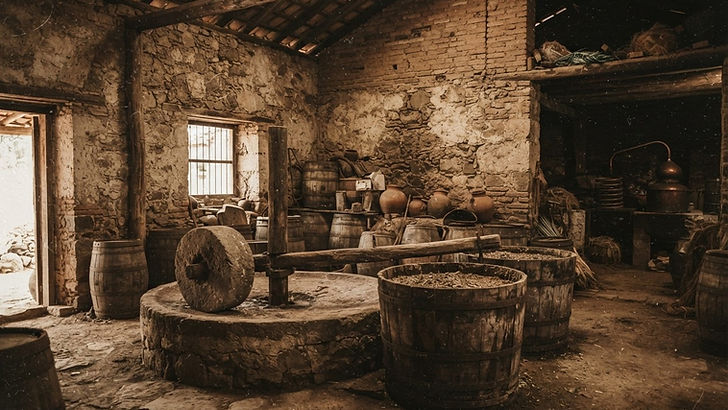
Stone and masonry structures, spacious courtyards, high ceilings, and large production rooms became characteristic features of many historic facilities.
These buildings were designed around the practical needs of tequila production.
Cooking agave required substantial heat. Fermentation required dedicated space. Distillation equipment needed suitable working areas, while aging and storage introduced additional considerations.
Over time, the physical layout of distilleries evolved alongside improvements in production technology.
Today, some historic structures continue to serve working distilleries, while others have been preserved as cultural landmarks, museums, or visitor attractions.
Why Jalisco's Historic Distilleries Matter
The cultural importance of tequila production extends far beyond the spirit itself.
In 2006, UNESCO recognized the Agave Landscape and Ancient Industrial Facilities of Tequila as a World Heritage Site.
The designation recognizes the relationship between agave cultivation, traditional settlements, historic distilleries, and the cultural practices that shaped the region.
The protected landscape includes agave fields, historic haciendas, distilleries, and communities associated with the development of tequila.
These structures illustrate the blending of Indigenous agricultural traditions with technologies introduced through European influence.
For visitors, historic distilleries offer an opportunity to understand how tequila production developed over generations.
For producers, they represent a connection to the origins of their craft.
Preserving these buildings helps maintain the historical context of tequila production, ensuring that future generations can appreciate not only the spirit but also the environments in which it was created.
Traditional Distilleries Versus Modern Production Facilities
One of the most fascinating aspects of tequila production is the contrast between traditional and modern manufacturing methods.
Historic distilleries were often organized around equipment and processes that required significant manual labor.
Traditional masonry ovens, for example, could be used to slowly cook harvested agave before the sugars were extracted.
Some producers employed stone tahona wheels to crush cooked agave, while others adopted mechanical milling systems as technology advanced.
Fermentation vessels, distillation equipment, and storage areas also evolved.
Modern facilities may incorporate stainless steel tanks, automated monitoring systems, advanced ventilation, and more efficient production layouts.
These improvements can help producers maintain consistent operations while meeting contemporary production and safety requirements.
However, modernizing a historic distillery is not always straightforward.
Installing new equipment may require structural modifications, electrical upgrades, plumbing improvements, or changes to ventilation systems.
In buildings that have stood for generations, even relatively simple renovations can introduce complications.
That makes thoughtful planning an essential part of preserving traditional production environments.
The Challenges of Renovating Older Industrial Buildings
Historic industrial buildings present challenges that are not always immediately visible.
A structure may appear solid from the outside while containing aging infrastructure that requires attention.
Common renovation considerations include:
- Structural integrity: Older walls, foundations, and roof systems may require evaluation before supporting new equipment.
- Electrical infrastructure: Historic facilities may need updated electrical systems to accommodate modern machinery.
- Ventilation: Production processes involving heat, steam, and industrial equipment require appropriate airflow.
- Plumbing and drainage: Water distribution and wastewater management may need modernization.
- Building materials: Older insulation, flooring, roofing, and other construction components may require assessment before being disturbed.
These considerations are particularly important when a historic facility has undergone multiple renovations over decades.
Different construction materials may have been introduced at different times, making it difficult to determine exactly what lies behind walls, beneath flooring, or around mechanical systems.
For restoration teams, understanding a building's construction history is often as important as understanding its architectural appearance.
Hidden Building Hazards: Why Industrial Renovations Require Careful Planning
One aspect of industrial building preservation that receives less attention is the potential presence of hazardous construction materials.
Older industrial buildings around the world may contain materials that were once commonly used for insulation, fire resistance, flooring, and mechanical systems.
Asbestos is one example.
Historically, asbestos-containing products were used in numerous construction and industrial applications because of their heat-resistant properties.
Depending on a building's age, location, and renovation history, asbestos-containing materials may be present in pipe insulation, floor tiles, ceiling materials, or other components.
This does not mean that historic tequila distilleries necessarily contain asbestos. The materials used in any particular facility must be evaluated individually.
However, the broader concern illustrates why renovating older industrial buildings requires more than simply replacing outdated equipment.
Materials that appear ordinary may require professional testing before demolition or renovation work begins.
In the United States, this issue is particularly relevant in cities with extensive industrial histories.
Pittsburgh, Pennsylvania, for example, has a long history of steel production, manufacturing, and industrial development. Owners renovating older industrial or commercial properties may need professional guidance concerning asbestos removal in Pittsburgh when potentially hazardous building materials are identified.
The same general principle applies to historic industrial preservation elsewhere: understanding existing materials before disturbing them helps protect workers and supports responsible renovation.
Qualified professionals can assess suspected asbestos-containing materials, arrange appropriate testing, and determine whether specialized handling or removal is necessary under applicable regulations.
Importantly, asbestos-containing materials do not automatically require removal simply because they are present. Their condition, location, and likelihood of disturbance are important considerations.
For historic properties, this distinction matters because unnecessary demolition can damage architectural features that preservation efforts are intended to protect.
Balancing Historic Preservation With Modern Safety
Preserving a historic distillery does not necessarily mean keeping every component exactly as it was originally constructed.
Successful preservation often involves identifying which elements contribute most significantly to a building's historical character while allowing necessary improvements behind the scenes.
Original masonry walls, courtyards, architectural details, and traditional production spaces may be retained even as electrical, mechanical, and safety systems are modernized.
This approach allows historic buildings to remain useful without losing their identity.
Careful documentation can play an important role.
Before renovation begins, preservation teams may photograph architectural features, review historical records, inspect existing construction materials, and identify areas requiring specialized work.
Architects, engineers, preservation specialists, and qualified contractors can then develop renovation plans that respect the building's history.
For operating distilleries, another consideration is minimizing disruptions to production.
Renovations may need to be completed in phases, allowing certain areas to remain operational while others undergo improvements.
The objective is not simply to create a modern facility inside an old building. It is to preserve the qualities that make the building historically meaningful while ensuring it remains suitable for contemporary use.
How Distillery Architecture Shapes the Visitor Experience
Historic distilleries have become an important part of tequila tourism.
Visitors are often interested in more than observing how agave is cooked, fermented, and distilled.
They want to experience the atmosphere surrounding the production process.
Walking through an old courtyard, observing traditional equipment, or entering a historic production room can create a stronger connection to tequila's heritage.
The physical environment helps communicate a story that modern machinery alone cannot tell.
Architectural details can reveal how production methods evolved, how workers organized their daily activities, and how distilleries adapted as the industry expanded.
For producers offering tours and tastings, preserving these environments can provide an experience that distinguishes their facilities from more recently constructed operations.
Historic buildings also help visitors understand why tequila is closely associated with particular communities and landscapes.
The relationship between agriculture, architecture, and production is central to the identity of the region.
Sustainability and the Future of Historic Distilleries
The conversation surrounding distillery modernization increasingly includes sustainability.
Tequila production requires agricultural resources, water, energy, and systems for managing production byproducts.
As the industry evolves, producers face growing interest in resource efficiency and responsible environmental practices.
Modern equipment and facility improvements may help reduce energy consumption, improve water management, and support more efficient operations.
Historic buildings can also play a role in sustainable development.
Rather than demolishing existing structures and constructing entirely new facilities, adaptive reuse can preserve valuable building materials and reduce the need for new construction.
However, the environmental benefits of any renovation depend on the condition of the building, the materials involved, and the scope of the work.
Preservation and modernization therefore need to be considered together.
A thoughtfully renovated distillery can retain its historical identity while incorporating improvements that support its long-term operation.
For tequila producers, this approach connects two important responsibilities: protecting cultural heritage and preparing for the future.
Protecting the Places Behind the Spirit
Tequila is often celebrated for its agricultural origins, regional identity, and traditional production methods.
Yet the buildings where tequila is made deserve recognition as well.
Historic distilleries provide a physical connection to the generations of producers who helped shape Mexico's most internationally recognized spirit.
Their courtyards, production rooms, masonry walls, and aging facilities tell a story of craftsmanship and industrial evolution.
Preserving these structures requires more than maintaining their appearance.
It involves understanding their construction, addressing aging infrastructure, identifying potential renovation hazards, and introducing modern improvements without unnecessarily sacrificing historic features.
As the tequila industry continues to grow, these considerations will remain important for producers, preservation specialists, and communities throughout Jalisco.
The future of tequila is not only about what happens in the agave fields or inside the bottle.
It is also about protecting the places where generations of tradition have taken shape.
And sometimes, the most meaningful form of progress is finding a way to move forward without leaving history behind.
Behind every bottle is a building — and the generations who kept it standing.